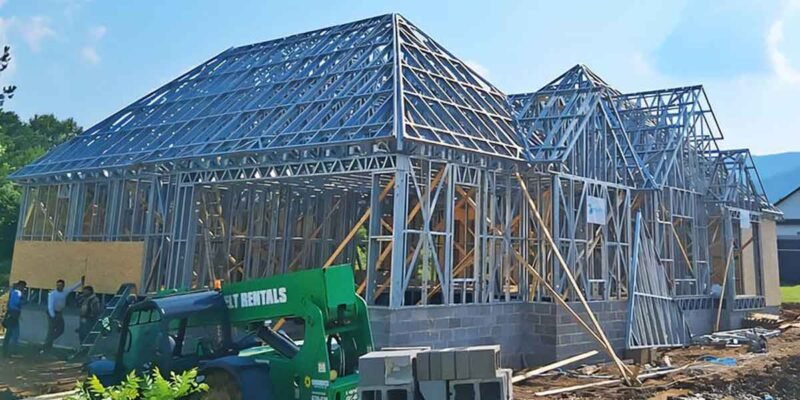
The residential real estate market is currently navigating a period of significant transformation. Property developers and investors face mounting challenges, ranging from unpredictable material costs to chronic labor shortages that delay projects for months. In response to these pressing economic pressures, the industry is pivoting toward innovative building methods that offer greater financial predictability and structural reliability. Among these emerging trends, prefabricated steel homes have surfaced as a highly attractive asset class. By completely reimagining the construction process, this model is fundamentally shifting how investors approach modern residential developments.
The Financial Advantage of Off-Site Construction
Time is quite literally money in real estate development. High interest rates make holding costs a heavy burden for developers, meaning every delayed week cuts directly into profit margins. Traditional homebuilding is notoriously vulnerable to weather delays, supply chain disruptions, and scheduling conflicts among various subcontractors. Prefabrication removes many of these variables by shifting a large portion of the building process into a controlled factory environment. This transition allows for concurrent site preparation and structural fabrication, streamlining the entire project lifecycle.
The economic benefits of this approach are substantial and heavily documented. According to a recent comprehensive industry analysis by Grand View Research, the global modular construction market is projected to expand rapidly as property developers pivot toward off-site building methods. This robust growth is driven by the fact that shifting to prefabricated building processes can accelerate project timelines by 20 to 50 percent while allowing developers to realize immense overall construction cost savings. For investors, delivering a residential property months ahead of a traditional schedule means generating rental income or securing a profitable sale much faster. This accelerated timeline significantly improves the overall return on investment and reduces the risk associated with prolonged holding periods.
Unmatched Durability and Lower Maintenance Costs
While the speed of initial construction is a major draw, the long-term holding costs of a property are equally critical to an investor’s bottom line. Traditional wood-framed houses require ongoing maintenance and remain highly susceptible to rot, termite damage, and severe weather events. Steel, on the other hand, offers a level of physical resilience that traditional lumber materials simply cannot match.
Modern cold-formed steel is engineered to withstand extreme environmental stress. High-quality kits provided by specialists like Atlantic Steel Structures offer impressive features, including exceptional resistance to hurricane-force winds and heavy snow loads. When developers utilize these prefabricated structural systems, they are essentially building properties that require a fraction of the structural upkeep over their intended lifespan. Lower maintenance expenses translate directly into higher net operating income, making steel homes incredibly appealing for long-term rental portfolios or build-to-rent communities. Furthermore, steel structural frames do not warp or split over time, which preserves the aesthetic and functional integrity of the property.
Key Benefits for Property Developers
The transition toward prefabricated steel housing brings several operational advantages to modern real estate investors. Beyond the immediate cost and time savings, developers are finding that these structures align perfectly with evolving housing demands.
- Highly Predictable Budgets:Because structural components are manufactured in a controlled setting, material waste is virtually eliminated. Investors receive exact pricing upfront, shielding them from sudden fluctuations in the cost of raw materials.
- Eco-Friendly Construction: Steel is highly recyclable, and the precision of factory fabrication significantly reduces the environmental impact of a build site. This appeals to a growing demographic of environmentally conscious homebuyers and corporate tenants.
- Design Versatility: Modern steel homes are no longer the rigid, boxy structures of the past. They can be customized to feature open floor plans, expansive windows, and diverse exterior finishes that blend seamlessly into any residential neighborhood.
- Insurance Incentives: Due to the fire-resistant and weather-resilient nature of steel framing, property owners often qualify for much lower homeowner and landlord insurance premiums.
A Future-Proof Asset Clas
The real estate sector is moving rapidly toward efficiency and sustainability. As traditional building methods continue to struggle with rising overhead costs and unpredictable timelines, the shift toward off-site manufacturing offers a clear, profitable path forward. Investors are recognizing that relying on outdated construction models simply invites unnecessary financial risk.
Prefabricated steel housing is no longer a niche architectural concept but a proven, highly profitable strategy for residential property investors across the country. By drastically reducing construction delays, minimizing long-term maintenance, and offering superior structural integrity, steel homes are redefining what a successful real estate investment looks like in the modern era. Developers who embrace these resilient, fast-building solutions will undoubtedly find themselves at a distinct competitive advantage in the housing market of tomorrow.