When homeowners think about air conditioning, they usually focus on temperature control. But your AC system does much more than keep your home cool — it also plays a major role in your indoor air quality (IAQ). In a humid climate like Annapolis, maintaining clean, balanced indoor air is essential for comfort and health. Understanding how your system impacts air quality can help you make smarter decisions about maintenance and upgrades, especially when working with professionals like Grove in Annapolis.
Air Filtration: Your First Line of Defense
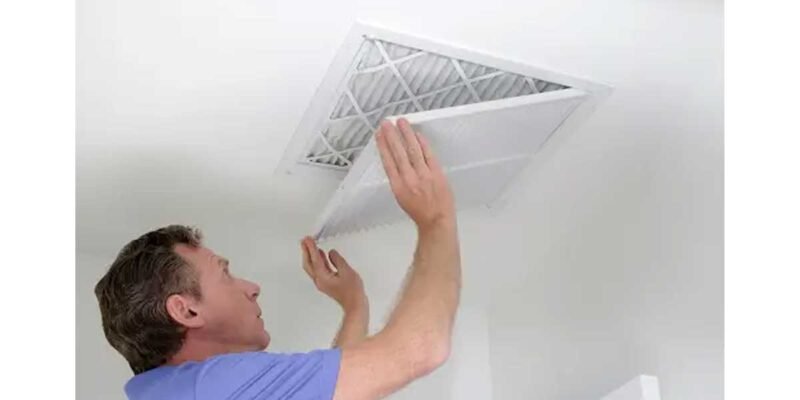
Every central air conditioning system includes an air filter designed to trap dust, pollen, pet dander, and other airborne particles. As air circulates through your home, it passes through this filter before being cooled and redistributed.
However, not all filters are created equal. Basic filters capture larger debris but may allow smaller particles to pass through. Upgrading to a higher-efficiency filter can significantly improve indoor air quality — especially for households with allergies or pets.
It’s also critical to replace filters regularly. A clogged filter not only reduces airflow and efficiency but can also allow pollutants to build up in your system and ductwork.
Humidity Control Matters in Annapolis
Annapolis summers are known for high humidity. While your AC’s primary job is cooling, it also removes excess moisture from the air. Proper humidity control reduces the risk of:
- Mold and mildew growth
- Musty odors
- Dust mite populations
- Warped wood flooring and furniture damage
If your home feels damp or sticky even when the AC is running, your system may not be dehumidifying properly. In some cases, adding a whole-home dehumidifier can dramatically improve comfort and air quality.
Professionals like Grove in Annapolis can assess whether your system is effectively balancing temperature and moisture levels.
Airflow and Ventilation
Good indoor air quality depends on consistent airflow. If your ductwork is leaking, clogged, or poorly designed, air circulation may suffer. Stagnant air can trap pollutants indoors.
In addition, modern homes are often tightly sealed for energy efficiency, which can limit fresh air exchange. Mechanical ventilation systems, such as energy recovery ventilators (ERVs), can introduce fresh outdoor air while maintaining efficiency.
Proper system design and maintenance ensure that your AC supports healthy air circulation rather than contributing to stale indoor conditions.
Clean Coils and Components
Over time, evaporator coils can accumulate dirt and debris. When this happens, bacteria and mold can develop inside the system, potentially circulating contaminants throughout your home.
Routine professional maintenance includes cleaning coils and inspecting drain lines to prevent buildup. This not only protects air quality but also improves system performance and efficiency.
Beyond Basic Cooling
Today’s HVAC systems can include advanced indoor air quality solutions such as:
- UV air purification systems
- Whole-home air purifiers
- High-efficiency filtration systems
- Integrated humidity control
These upgrades work alongside your AC to create a cleaner, healthier living environment.
The Bottom Line
Your air conditioning system plays a direct role in the air your family breathes every day. From filtration and humidity control to ventilation and cleanliness, proper maintenance is essential for protecting indoor air quality.
Partnering with experienced professionals like Grove in Annapolis ensures your system not only keeps your home cool but also supports a healthier indoor environment year-round.